.svg)



.jpg)


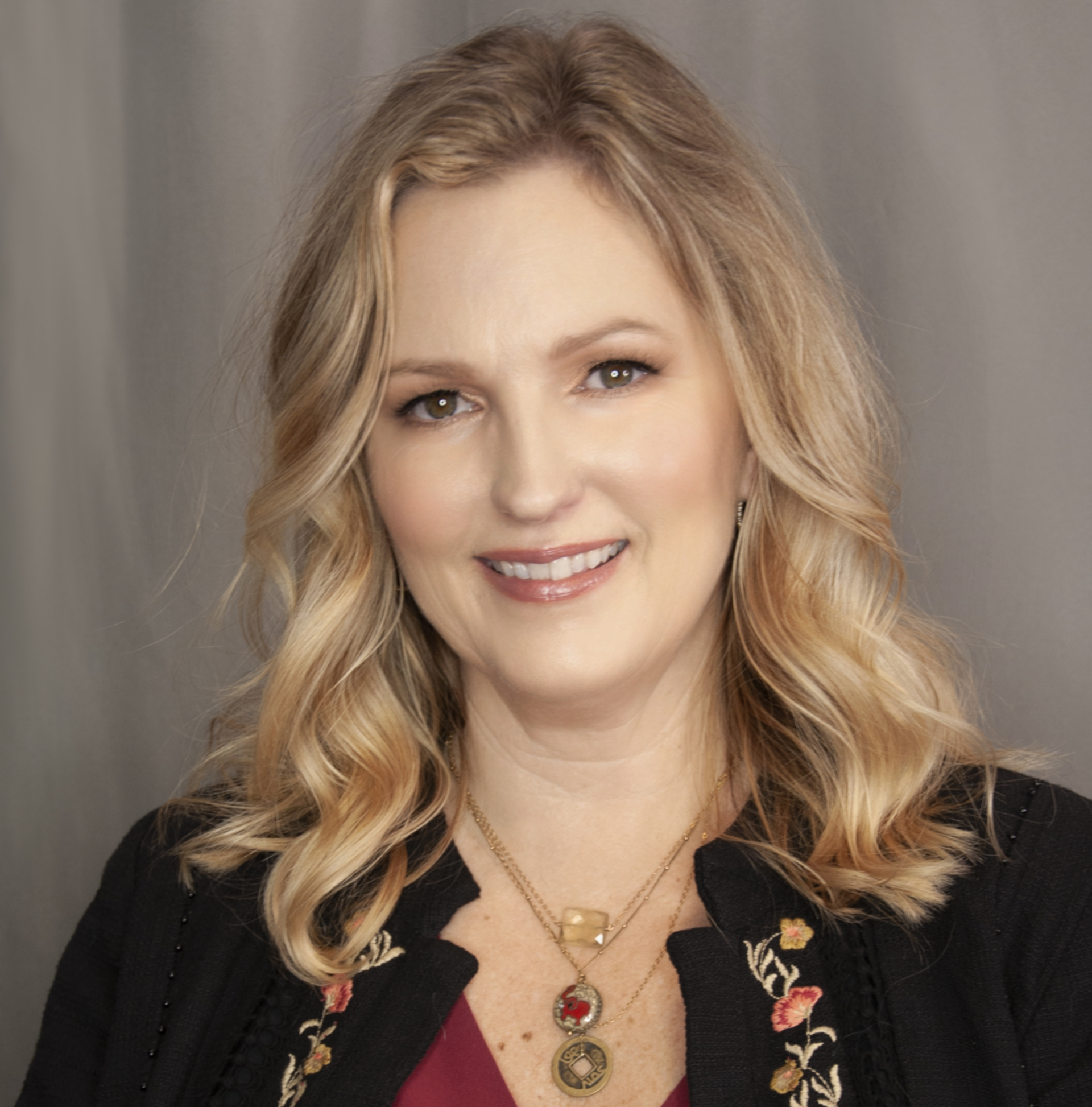
The Niche That Wouldn't Take No for an Answer: Sheila Smith Oliver on STRs, Systems, and the Business That Found Her
Date published:
May 6, 2026
She had 20 years of experience, a portfolio of her own investment properties, and a niche that kept circling back no matter how many times she walked away from it. Here's what finally happened when she stopped resisting.
Sheila Smith Oliver didn't plan to become one of the most knowledgeable short-term rental brokers in Texas. She planned to do commercial real estate. Then residential. Then flips. She spent 15 years in wholesale fashion while keeping her license active on the side. She moved from Texas to California to Washington and back again. She resisted social media well into 2024. She resisted short-term rentals even longer.
And then, somewhere between a rate shift that made her pause on flipping, a chance meeting at a BiggerPockets conference, and a string of out-of-state investors who kept asking the same question — so who's going to help me set this up? — her niche found her. She stopped fighting it. And within six months of going all-in, she had closed $20 million.
I sat down with Sheila — Founder, CFO, and Broker of Dwellverse Group — for a conversation that went deeper than I expected. What we talked about wasn't just short-term rentals. It was about the real cost of resistance, the systems that separate a sustainable business from a burnout spiral, and what it actually looks like to build something that works for your life instead of against it.
The Niche That Kept Finding Her
Sheila's path into real estate is one of the more winding ones I've heard. She got her license in college, tried commercial, didn't love the cold calling, kept her license for years while building a career in fashion, and never fully committed to real estate until the last five or six years.
The pivot to short-term rentals wasn't strategic — it was reactive. Rates shifted on a dime during a flipping run. She had a few properties she didn't want to sell. STRs were exploding coming out of the pandemic. She furnished one, held onto it, and it performed. Then she added four more to her own portfolio. Then she met an investor at a conference who was looking to buy in her market and didn't know who was going to furnish or manage it. She volunteered — almost offhandedly. And then it just kept going.
"I had to really learn along the way," she told me. "I made mistakes. Some properties are better suited for short-term, some for midterm. I had to go to conferences, read books, learn from others — and learn the hard way too."
What's worth noting here is how that learning happened. It didn't happen behind a computer. It happened in rooms. At meetups. At conferences. By getting herself around people who were already doing what she wanted to do. That's a pattern I see in almost every guest who has built something real: they got proximate to the right people before they had all the answers.
Why Resistance Is Sometimes a Signal, Not a Warning
One of the most honest things Sheila said in our conversation was that she resisted her niche for a long time — and looking back, that resistance was actually the clearest signal she was on the right track.
The management side of STRs nearly broke her. She was trying to run it solo. A guest once complained that the grass blades were too sharp. She was on call constantly, stretched across every moving part of the operation, burning herself out trying to do something that wasn't actually her strength. She almost gave up on the whole thing.
But what she eventually figured out was that the problem wasn't the niche. The problem was the infrastructure — or the lack of it. Once she brought in the right management team (one with four VAs available around the clock), stepped back from the hospitality side, and returned to what she actually does best — sales, strategy, and serving investors — everything changed.
She shared a distinction that stayed with me: she wasn't forced out of the management side. She chose out. There's a difference. And once she made that choice, she got to do the work she was actually built for at a scale she never could have reached otherwise.
The lesson isn't "don't do the hard things." It's that knowing what not to do is just as strategic as knowing what to do.
What a Real STR Agent Actually Does
Here's something most people don't know — and something Sheila is actively trying to change through an upcoming course for agents: being a great residential agent does not automatically qualify you to handle a short-term rental transaction. Not even close.
There are layers to STR deals that most residential training never touches:
Permitting. In some cities, you can't get a short-term rental permit at all. Sheila has seen investors close on a property only to find out they cannot legally operate an STR — not because of anything they did wrong, but because nobody checked local regulations before the purchase. HOAs, CC&Rs, density laws, and community votes can all restrict or prohibit STR use. That's not fine print. That's the foundation of whether the deal makes sense at all.
Reservations. When a seller has an active STR, their calendar is full of future reservations. Those do not automatically transfer to the new owner. The listing agent needs to understand what happens to those bookings — and so does the seller, well before closing. Sheila told me about a listing agent who didn't know what "STR" stood for when she mentioned it about his own listing. That's not a knock on the agent. It's a reminder that this niche requires a specific layer of knowledge.
Turnkey service. Most STR investors — especially out-of-state buyers — don't just need someone to find a property. They need a vetted contractor network, interior design referrals, management connections, and ongoing support to get from closing to operational. That's the service Sheila's team actually provides, and it's why investors keep coming back and sending referrals.
If you're in a vacation rental market and you haven't built this knowledge base yet, this episode is worth replaying more than once.
The Systems She Wishes She'd Built Sooner
Sheila is the kind of person who is hard to slow down. Last year, her team was busy — really busy. But in the middle of all of it, she made a confession that I think will resonate with a lot of people building fast.
She hadn't built her funnels yet.
She had the social media. She had the closings. She had the relationships. What she didn't have was the automated infrastructure that captures the attention she was generating and turns it into a pipeline she doesn't have to manually manage. And when you're already busy, building that system in the middle of everything is like trying to renovate the kitchen while feeding a family of six.
The morning we talked, she had already received a lead from a seller in New York. She has no idea how they found her. She doesn't need to — her landing page captured their information, her CRM logged them, and her drip campaign started before she woke up.
That's the goal. Not working harder. Building infrastructure that works while you sleep.
A few specific things she's building and using now that she'd encourage any growth-focused entrepreneur to put in place early:
- Landing pages that capture contact information and channel people directly into your CRM
- Drip campaigns that stay in front of potential clients for 30 to 60 days without manual follow-up
- Review systems built into the post-close follow-up process — because reviews do more than most marketing ever will
- Calendar integrations that let prospects book consultations directly without a back-and-forth
- A referral network that sends and receives business across markets — Sheila's STRagentHub.com launched just a week before we spoke and had already referred business to Virginia Beach, Lake Havasu, Seattle, and St. Louis
She's also using a CRM her tech-savvy husband helped build — currently available at dwellverse.io for $79/month with a 14-day free trial — because after spending thousands on platforms that didn't fit the way she actually worked, they built one that did.
Visibility Did What 20 Years Couldn't
I want to come back to the social media piece, because I think it's the part of Sheila's story that most people will find either uncomfortable or impossible to ignore.
She wasn't on social media in 2024. She was closing a few deals a year. Not for lack of effort — she had 20 years of experience, a real network, and real expertise. But almost none of the people who needed what she offered knew she existed.
In 2025, she committed to showing up. She started posting. She put herself out there consistently as an expert in the STR space — and as a person, not just a brand.
Six months later: $20 million closed. Mostly vacation rentals.
The math on that isn't about going viral. It's about what happens when the people who are already looking for what you offer can actually find you. Social media didn't change what she knew. It just stopped hiding it.
The Best Advice Doesn't Always Sound Like Advice
When I asked Sheila what piece of wisdom she'd give to someone at the beginning of a new chapter — whether that's new to the industry or just new to a new version of what they're building — her answer was more practical than philosophical.
Say yes to everything in the beginning. Try things. Partner with people who know what you don't. Work with experienced people on deals outside your lane, even if the split isn't what you wanted. Get the education. Take the referral fee and let someone else do the deal rather than trying to figure it out on the fly with a client on the line.
And then, once you've found what lights you up — once your niche has found you — go deep. Build the ecosystem around it. Become the person people call, not the person who cold calls.
"Anything you do for years and years, you become the expert," she said. "You just have to stick with it."
I don't think there's a simpler or more true piece of advice I've heard on this podcast.
The Bottom Line
Sheila Smith Oliver built a $20 million business in six months — not because she finally worked hard enough, but because she finally stopped doing the things that weren't hers to do, built the systems to support the things that were, and got visible enough for the right clients to find her.
That's the CEO playbook. Not hustle. Not grind. Clarity, systems, and the courage to trust what keeps circling back to you.
If you're in a vacation rental market, thinking about STR investing, or trying to figure out how to stop being the best-kept secret in your space — this episode is the one.
Listen to the full conversation with Sheila Smith Oliver — link in bio.
And if you're ready to build the infrastructure your business needs to actually grow without burning you out, let's talk. Book a free strategy call at the link below.
Connect with Sheila: dwellverse.io | stragenthub.com
Book a Free Strategy Call with Lynea: bit.ly/ConnectWithLynea
.jpg)
.jpg)
.jpg)
%20(1).jpg)